Discovering Hidden Treasures in Pudong, Shanghai's Antique Shop
2025-10-20T08:38:25.674Z
Author: ShanghaiLOOK. Compiled and translated into English by TripInfoHub.
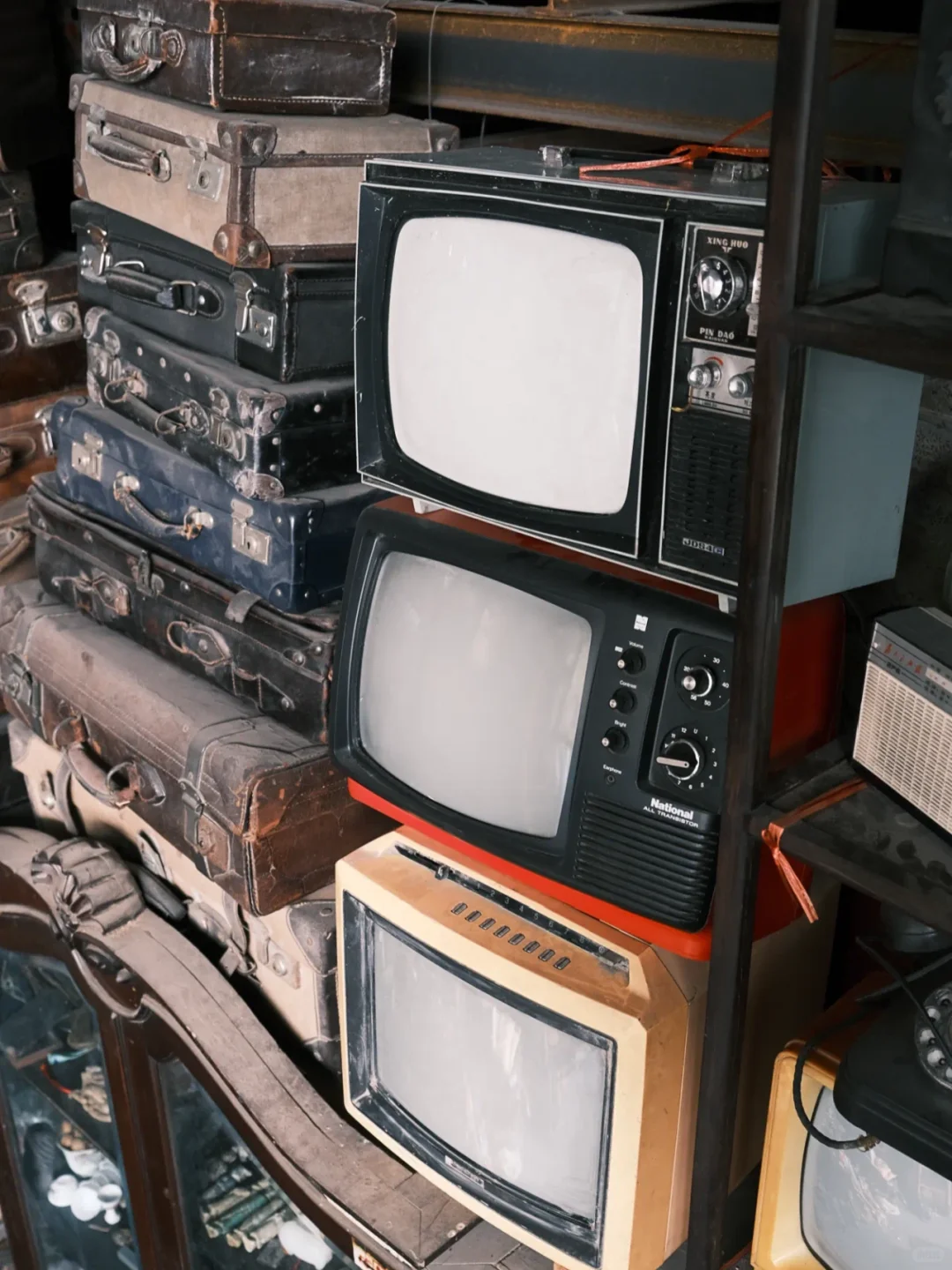
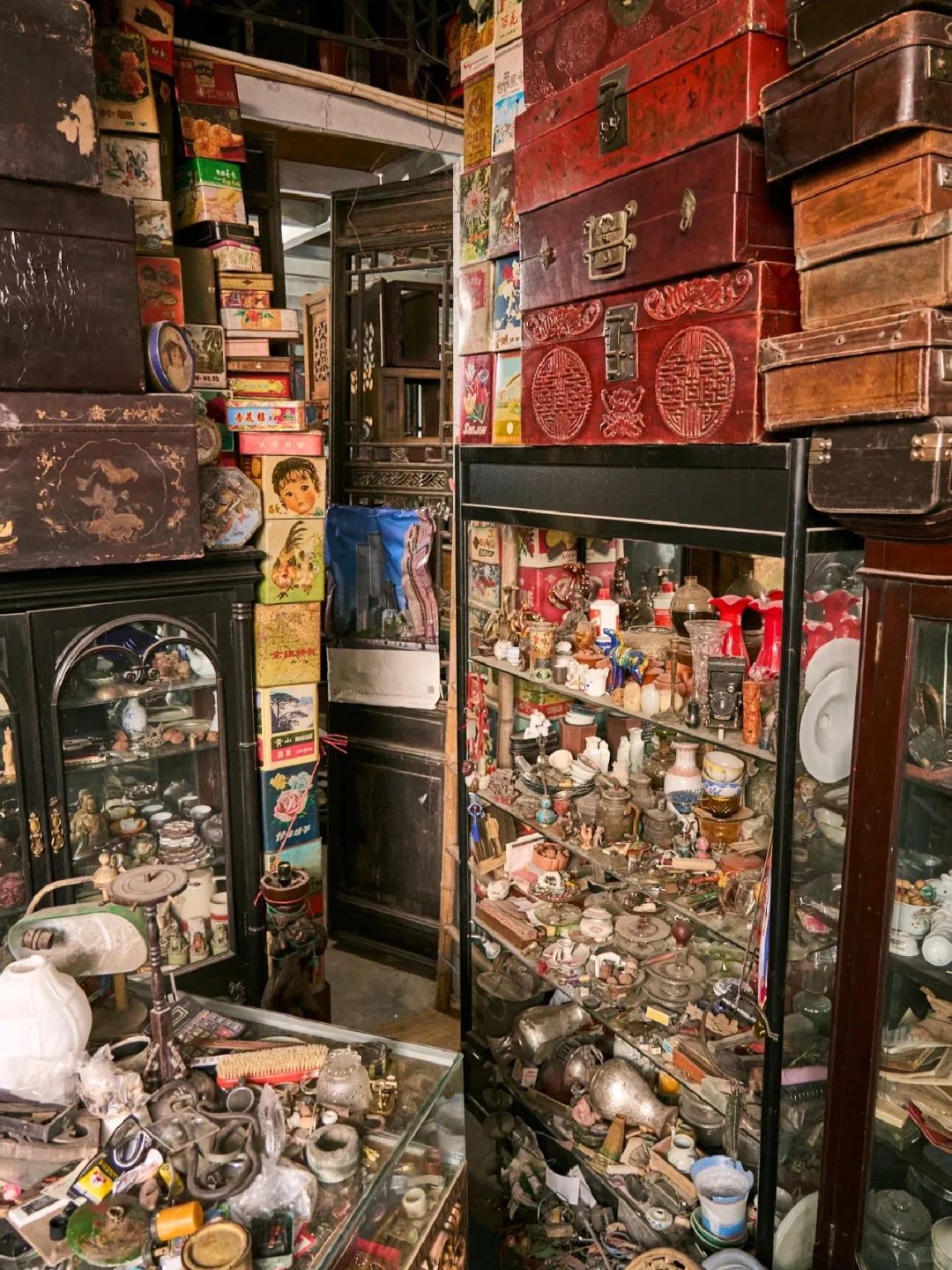
Last Saturday, I got up early and took the Line 16 straight to Pudong Hangtou, all just to check out the legendary Mulan Flower Pavilion. A friend told me, “It’s like a time black hole, once you go in, you won’t come out.” I didn’t believe it at first, but the moment I opened the door, I was stunned—cameras, record players, old suitcases, enamel basins piled up to the ceiling. Sunlight streamed in through the broken window, dust dancing in the rays, and my heart started racing as if I had stumbled into someone’s childhood storage.
Discovering Hidden Treasures in Pudong, Shanghai's Antique Shop
Step into the Wonderful World of Second-Hand Goods
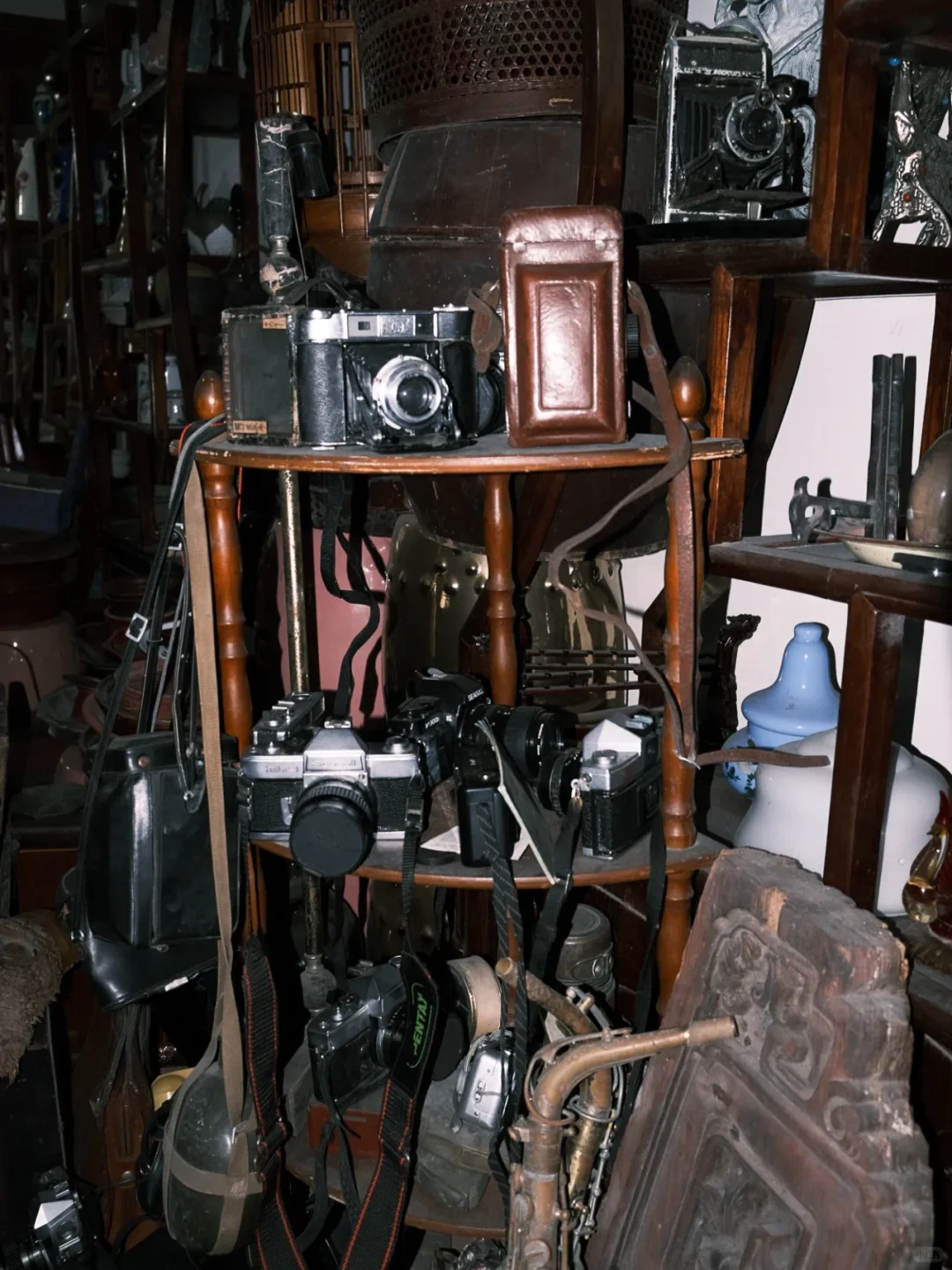
Uncle Sun handed me a disposable mask at the door, saying, “It's dusty, don’t choke.” I squeezed my way down a narrow path, stepping on 1950s patterned tiles, with an old Shanghai brand fan creaking above me. The left wall on the first floor was covered in film cameras: Seagull, Nikon, Leica—lenses coated in dust with a satisfying click when turned. I casually flipped open a Zeiss Ikonta, and inside the film compartment, I found half a roll of unexposed landscapes, frozen in time since 1993. As I walked deeper in, the smell of old wood mixed with camphor balls hit me hard. I squatted down to rummage through an enamel plate, and the back had “Shanghai Enamel Factory No. 3” stamped on it. It had a small chip on the edge, but the more I looked, the more I liked it.
The second floor was even more incredible, with old wardrobes forming a maze. I squeezed into the back and discovered a 1920s Art Deco vanity. The mirror was foggy with mercury glass, and the drawers held an empty Pechoin box and some plastic hair clips. Uncle Sun’s son, Xiao Sun, followed behind and casually pulled open a military-green tin box, revealing neatly stacked Cultural Revolution-era Little Red Books. The spines had faded from deep red to rose, and when I opened one, it was inscribed with “To the loveliest person,” dated 1971. At that moment, I suddenly understood that “thrifting” isn’t just about buying; it’s about being embraced by history.
Discovering Hidden Treasures in Pudong, Shanghai's Antique Shop
A Three-Generation Legacy of Vintage Goods
Uncle Sun noticed I was squatting for too long and handed me a small wooden stool, “Sit and look, don’t hurt your back.” He pointed to an old sign at the entrance that read “Mulan Flower Pavilion”, explaining that it was written by his father in 1988 with a brush, originally located under the Lupu Bridge. When the bridge was being built, the family stuffed everything into a truck and moved to Pudong Hangtou, and they’ve been open for 35 years. Now it’s Xiao Sun’s turn to take over. He’s great at social media like Douyin, Xianyu, and Xiaohongshu, but collecting items still follows the old ways—riding an old 28 bike, cruising through Pudong’s old alleys, knocking on doors asking if anyone wants to sell their “old furniture” when they’re renovating. I curiously asked, “What’s the craziest haul you’ve ever had?” Xiao Sun chuckled, “We brought back an entire staircase railing from a Shikumen building—it took two weeks to take down, and we wore our hands raw. It’s now piled in the backyard, and whoever wants it can saw it off themselves.”
The Charm of Vintage Goods Lies in the Details
In the end, I took home three items: ① A 1964 Shanghai clock—still with a price tag from “Huguang Department Store, priced at 8.5; ② A 1970s enamel basin**—with a tiny chip on the rim and printed with peony flowers; ③ A 1930s glass drawer pull—four for just 10 yuan. When I paid, Uncle Sun weighed the clock on an old scale, saying “Four and a half liang,” as if he was weighing a piece of time. He handed me a handwritten receipt, and the penmanship was so beautiful it didn’t seem real. I carefully folded it and tucked it into my wallet, more precious than a standard invoice.
Discovering Hidden Treasures in Pudong, Shanghai's Antique Shop
Looking for Unique Historical Marks
If you want to score some treasures, remember these three tips:
Look low and up: The best finds are often hidden in the bottom drawers or on top shelves.
Ask about the year: Just ask Uncle Sun, “What year was this collected?” He remembers better than a computer.
Check the back: Old cameras and furniture often have original factory labels on the back that can be more valuable than the front.
I witnessed a girl flipping through a 1958 Shanghai Concert Hall program, which had Mei Lanfang’s signature on the back. Uncle Sun only wanted 80 yuan, and she shrieked on the spot.
Mind the Shop Hours
Here’s the address again: No. 140 Hangtou Road, Pudong New District, take a taxi from Hangtou East Station on Line 16. There’s no sign out front, look for the red “second-hand” painted iron gate.
Open all day, but Uncle Sun goes home to cook for his wife at noon, so the shop is closed from 11:30 to 13:00, don’t show up and find it locked.
It gets crowded on weekends, so it's best to arrive at 9 a.m. on a weekday when the place is quieter and you can take pictures without anyone blocking the view.
Only cash accepted, and there’s an ATM outside the nearby Hangtou Market, so be sure to withdraw some cash first.
Line 16 Hangtou East Station → taxi fare start; driving, just navigate to “Hangtou Road No. 140” to find nearby parking.
Opening Hours
8:00-11:30, 13:00-17:00 (closed for lunch, don’t arrive empty-handed)
Payment
Cash only, Shanghai Bank ATM at nearby Hangtou Market
What to Bring
Cash, mask, wet wipes (it’s dusty), big bags (the shop only gives old newspapers)
Bargaining Tips
Ask “What’s the lowest?” then negotiate 10-20% off; Uncle Sun is more open to gentle persuasion.
As I was leaving, Uncle Sun was moving a 1956 Red Lantern radio to the door to sunbathe. With a click of the knob, Qin Yi's "The Wandering Songstress" started playing, her raspy voice adding a layer of old Shanghai charm to the quiet little street of Pudong Hangtou. I turned around to take a last look, the three characters Mulan Flower Pavilion faded to a soft gold in the sunshine, and one thought crossed my mind: I’ll come back next week to take home that Art Deco vanity.
About TripInfoHub: Tired of generic travel guides and looking for truly local experiences? We curate authentic travel notes and lifestyle stories shared by Chinese locals, then refine and translate them into multiple languages. This way, travelers from around the world can discover how Chinese people actually travel. Here, you won't just find the usual tourist attractions—you'll uncover everyday inspirations and hidden routes that truly belong to locals.
After living in Shanghai for a decade, I share my favorite hidden culinary treasures, from unique late-night barbecues to authentic Taiwanese dishes, inviting you to experience the city's rich and diverse food culture.
The LABUBU 10th Anniversary Touring Exhibition at Rock Bund Source in Shanghai features the debut of unpublished manuscripts, inviting you on a magnificent artistic journey where reality intertwines with fantasy.
Embark on a culinary adventure in Shanghai and discover 10 must-visit hidden gem restaurants with your friends, featuring delights like Lao Taigong and Hongxing Dumplings for a feast full of flavor and joy.
During the National Day and Mid-Autumn Festival, the Shanghai Binggang JinChao 8 Alley presents a stunning lantern festival and light show, perfect for families and art enthusiasts, immersing visitors in a magical journey through century-old lanes and Dunhuang culture.
Discover five local favorites near Jiangsu Road in Shanghai, recommended by locals. These hidden gems offer authentic regional flavors, providing a diverse dining experience.
TripInfoHub - Local travel guides for Shanghai, Beijing, Chengdu, Hangzhou and 12 major Chinese cities