
When I eat vegetarian in China now, I prepare three things first: saved restaurants, a short Chinese card, and a habit of asking about broth and seasoning before choosing a dish.
At first I only used one phrase: no meat. That helped with visible pork, beef or chicken, but it did not solve the real problem. After several meals, I learned to ask about things that are not visible on the menu: meat broth, bone broth, lard, oyster sauce, chicken powder, dried shrimp and minced meat.
I changed my order of decisions. I look for vegetarian restaurants first. If I have to eat in an ordinary restaurant, I ask about ingredients before ordering. If the answer is vague, I change the dish or change the restaurant.
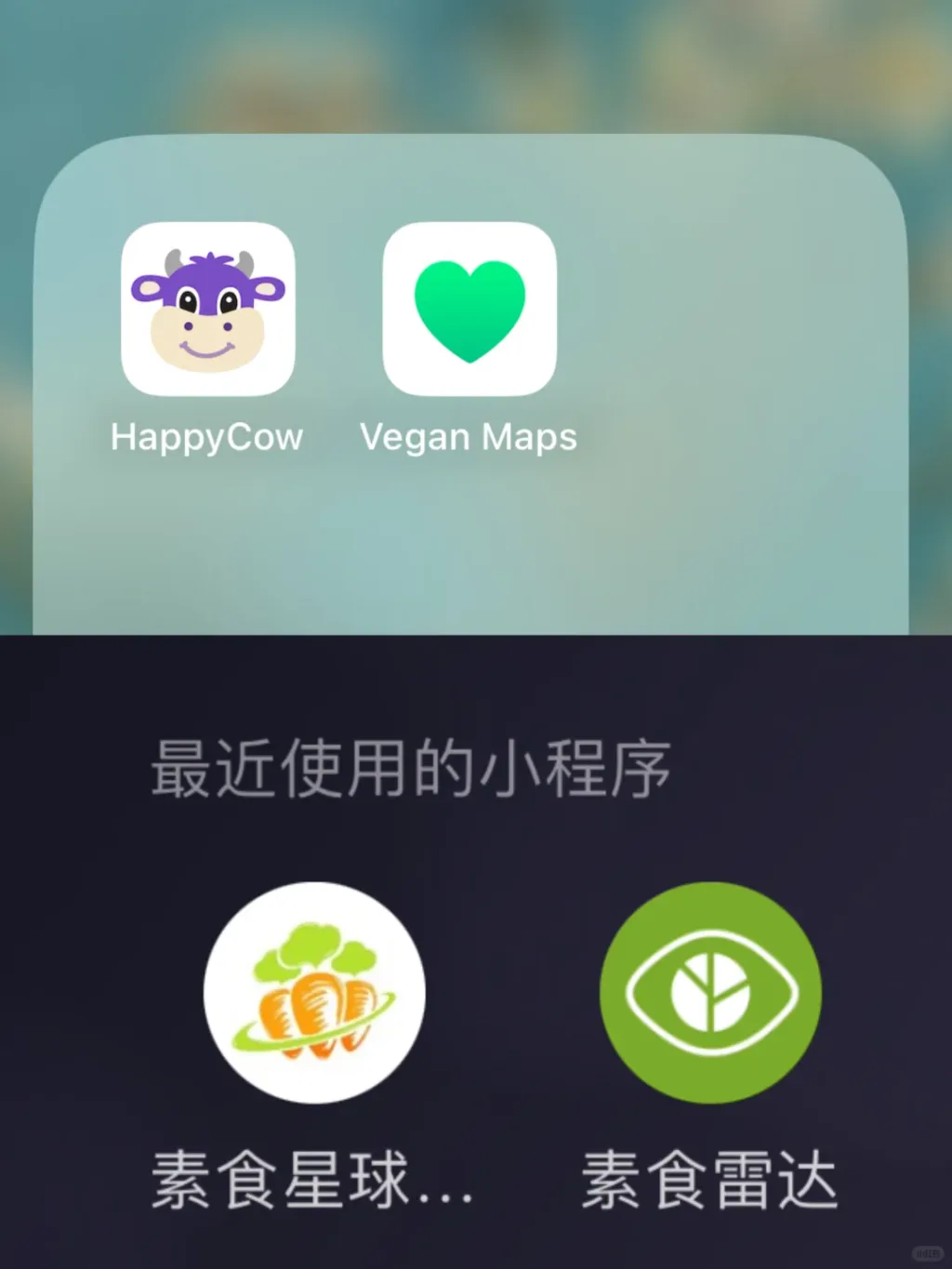
These tools do not need to be used at every meal, but saving them before the trip makes mealtime easier.
Ask in this order
Do not start with only “does this have meat?” Ask in this order: broth, oil, seasoning, small toppings.
- Is the soup base plain water or meat broth?
- Is the oil vegetable oil?
- Is there oyster sauce, fish sauce or chicken powder?
- Is there minced meat, dried shrimp or ham?
If one answer is unclear, skip the dish. It is usually faster to choose another dish than to keep explaining during a busy meal.
Use a short Chinese card
A short card works better than a long explanation. Save it as an image on your phone.
我是严格素食者。请不要放肉、肉汤、鸡汤、骨汤、猪油、蚝油、鱼露、鸡精、虾皮、肉末、火腿。可以只用植物油、蔬菜、豆腐、米饭或面条吗?谢谢。
For vegan travelers, add:
我也不吃鸡蛋、牛奶、奶油、黄油和蜂蜜。
Choose restaurants by risk
Vegetarian restaurants, Buddhist vegetarian places and fully vegetarian shops are the safest choice. Use them for the first meal in a new city, late arrivals, transfer days and train days.
Vegetarian-friendly restaurants can work, but still ask about broth, lard, oyster sauce and chicken powder. Ordinary restaurants should be a backup, not the main plan.
Save three places before arrival
Before reaching a city, save one restaurant near the hotel, one near the day route and one open in the evening. Also save a supermarket or convenience store.
Useful search entrances include HappyCow, Chinese vegetarian apps, Vegan Maps, map search and Chinese social search for “city name + vegetarian restaurant” or “city name + vegan”.
Safer and riskier foods
Safer choices are rice, plain congee, steamed corn, cold cucumber, boiled greens, simple tofu, fruit, nuts and packaged vegan snacks.
Be careful with noodle soups, rice noodles, wontons, hot pots, dry pots, dark-sauce dishes, stir-fried greens and tofu dishes. The problem is usually broth, lard, oyster sauce, chicken powder, dried shrimp or minced meat.
Save this table
| Situation | Ask first | Safer move |
|---|---|---|
| Noodle soup, rice noodles, wontons | Meat broth, bone broth or plain water | Skip soup if unclear |
| Stir-fried greens | Vegetable oil, lard, oyster sauce, chicken powder | Ask for vegetable oil and salt only |
| Tofu dishes | Minced meat, dried shrimp, oyster sauce | Be careful with mapo tofu and home-style tofu |
| Busy small restaurant | Show the short Chinese card | Change dish or restaurant if the answer is vague |
| Arrival or transfer day | Saved vegetarian restaurant nearby | Keep one backup meal |
China can work for vegetarian travelers. The key is to prepare the invisible parts of the meal: broth, oil, seasoning and backup food.