The Ultimate Guide to Exploring Du Fu's Thatched Cottage
2025-07-09T13:45:53.157Z
Author: TripInfoHub Editor. Compiled and translated into English by TripInfoHub.
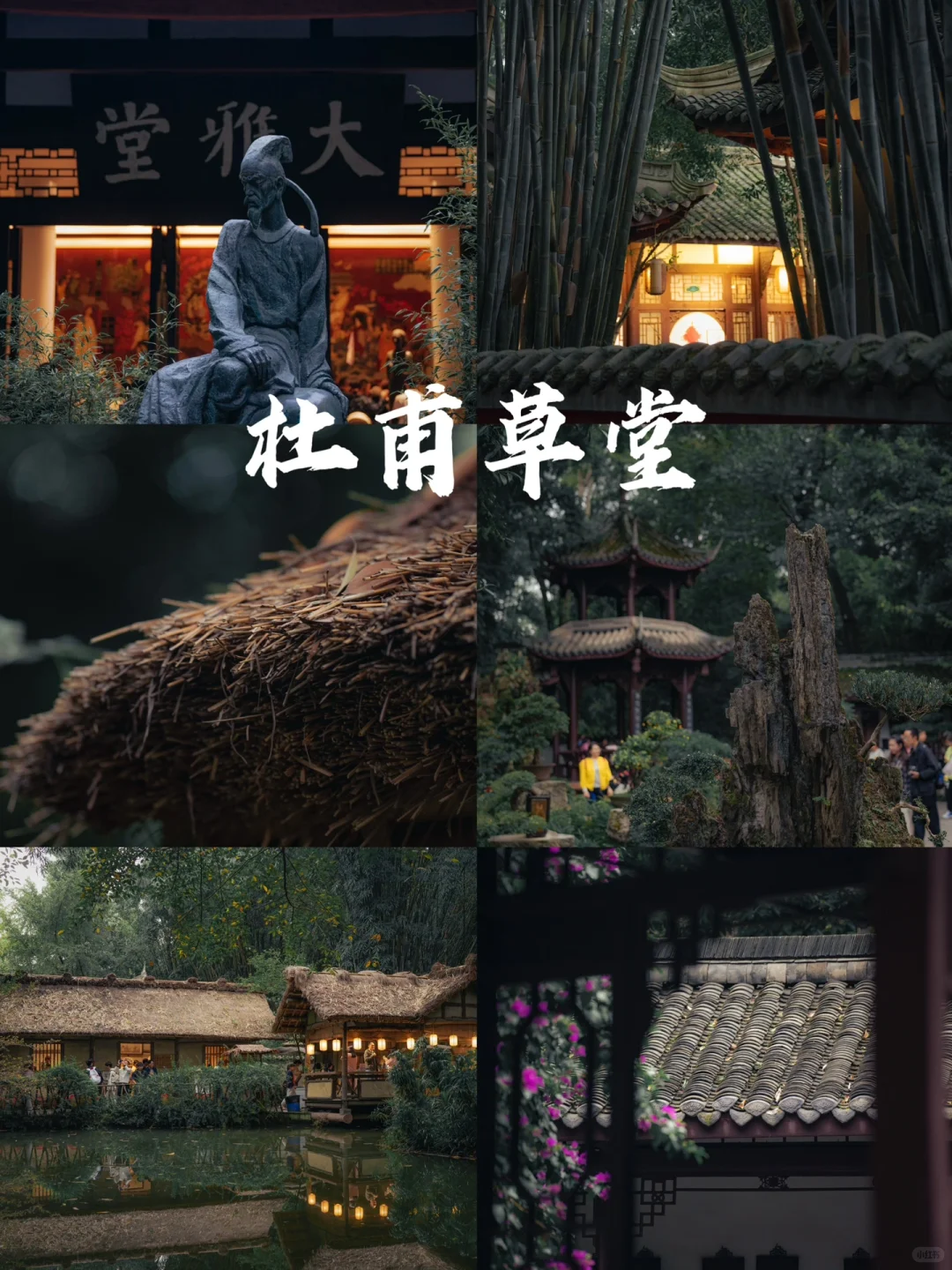
Last week, I took an afternoon to visit Dufu Thatched Cottage, a place that's super famous. I mean, we all know Du Fu's significance in Chinese culture, right? The cottage itself was his former residence, full of poetic vibes and history. It's a spot made for a leisurely stroll, allowing you to soak in the atmosphere of Du Fu's poetry writing days. Everything, from the architecture to the garden landscapes, really feels like you’re traveling back to the Tang dynasty. Since it was the weekend and not too crowded, I explored a lot and found some great recommendations. So today, I'll put together this little guide for anyone planning to visit the cottage!
Suggested Itinerary
Before heading into the cottage, I looked up the recommended route online. Most suggestions say to start from the main entrance and walk all the way to the south gate, so you won't miss any important spots. Here’s my route: Main Entrance → Grand Hall → Poetry History Hall → Department of Works Shrine → Shaoling Monument Pavilion → Thatched Hut Residence → Tang Dynasty Ruins → Du Fu Poetry Wood Carving Gallery → Bonsai Garden → Washing Flower Shrine/Flower Path → Cottage Shadow Wall → Elegant Hall → Ten Thousand Buddha Pavilion → South Gate
The Ultimate Guide to Exploring Du Fu's Thatched Cottage
The great thing about this route is that it's pretty well-organized, covering history, scenic spots, and areas for photos and relaxation. But honestly, Dufu Thatched Cottage isn’t very big; I finished exploring in under two hours. No matter how deeply you dive in, it won’t take more than half a day.
Flower Path Photo Tips
The Flower Path is one of the most popular photo spots in the cottage, with those red walls and green bamboos giving off a super nostalgic and poetic vibe. But! You’ve got to mentally prepare yourself—there are tons of people, so you might be lucky to get one or two “empty alley shots” during the week, but on the weekend, it’s basically a “tourist photo op” frenzy. Still, if you find the right angle, you'll be able to take some nice pics. I suggest wearing simple clothing to blend in with the environment for a more harmonious look.
The Ultimate Guide to Exploring Du Fu's Thatched Cottage
Thatched Hut Experience
Even though the thatched hut was reconstructed later on, it’s still a must-see spot, just like you have to hike the Great Wall when you visit. I waited in line for about 15 minutes, and once inside, it was pretty interesting. They’ve recreated Du Fu’s living scenes from back in the day, with little setups like a kitchen and bedroom that really give you a taste of life in his time. The hut isn’t large, but the atmosphere is fantastic, especially when you take photos in front of the wooden house—it’s really got that historical time travel vibe.
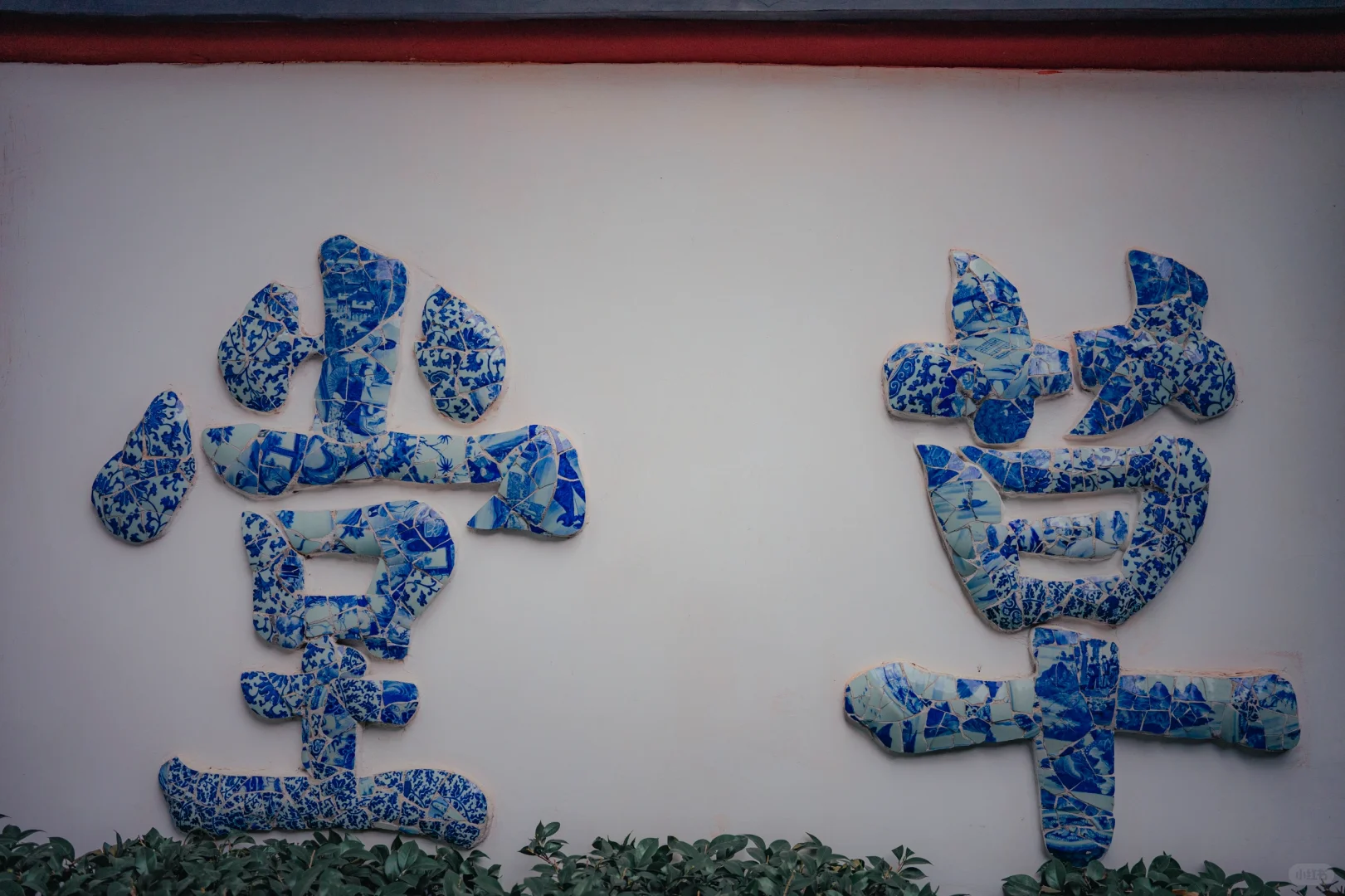
Cottage Shadow Wall Photo Guide
The Shadow Wall at the cottage features the characters for "Cottage" made from blue and white porcelain, making it a perfect photo spot with its soft wall textures. What’s even cooler is that this wall even has a photo with Chairman Mao, so a lot of people come to check it out. When you take photos here, just be mindful of the angle and flow of people. For the best shot, stand back a bit to capture the whole scene; it’ll look great.
Du Fu Poetry Wood Carving Gallery
This gallery is one of my favorite spots. It displays over a hundred wood carvings of Du Fu's poems made from nanmu, and the quality is impressive; it feels like there's poetry hidden in the forest. People often say the combination of “materials, craftsmanship, calligraphy, and poetry” is a real marvel, and I totally agree. Walking through the wood carving gallery, you can't help but feel the poetic essence of the Tang dynasty enveloping you—it’s incredibly immersive.
Historical Significance of the Department of Works Shrine
Here you can see portraits of Du Fu from the Ming and Qing dynasties and detailed descriptions of the Shaoling Cottage paintings on the walls. What struck me the most were the stone carvings that opened my eyes to Du Fu’s historical significance. If you're into historical sites, the Department of Works Shrine is a must-visit.
Cultural Significance of the Shaoling Monument Pavilion
Personally, I think the Shaoling Monument Pavilion holds a lot of meaning because the monument was inscribed by Prince Guo, representing the homage from later generations. The design of this pavilion is modeled after the thatched hut style, with attention to detail.
Unique Cultural Products at the Cultural Creative Center
The little cultural products here are just irresistible, many keeping that ancient design vibe. It’s worth mentioning that you can also get a commemorative stamp here—taking a piece of memory home is pretty meaningful. If you’re into cultural creative stuff, this place will feel like a treasure trove.
Recommended Cafe for Relaxation
This cafe is actually quite distinctive, especially the thatched hut with lanterns hanging outside, and the design is really thoughtful. Whether you take wide shots or close-ups, it exudes a rustic charm. If you get tired from walking around, it's a great spot to grab a coffee and take a break.
The Ultimate Guide to Exploring Du Fu's Thatched Cottage
Sculpture Relics in the Elegant Hall
Inside the Elegant Hall, the sculptures blew me away again. There are lots of classic ancient Chinese poet sculptures here, like Du Fu's good friend Li Bai and the famed female poet Li Qingzhao; the details are incredibly precise, and the sculptures look lifelike. It's a great place to take your time and admire.
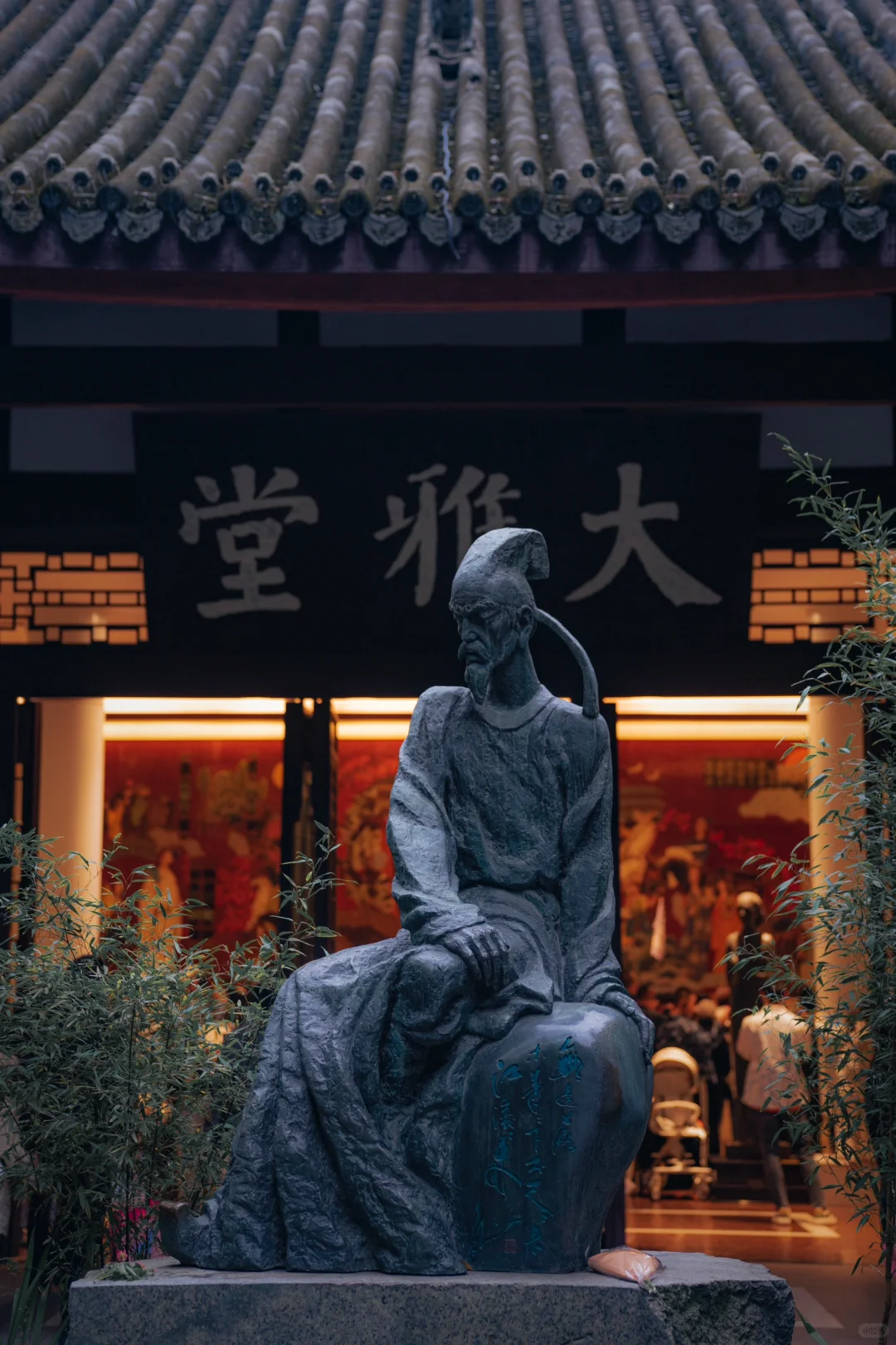
Du Fu's Bronze Statue at the Grand Hall
The last place I want to recommend is the Grand Hall near the entrance, where there’s a bronze statue of Du Fu from his later years. You can even touch Du Fu's hand, which symbolizes giving comfort to his works. The statue has a heavy feel to it, especially sitting in this broad cottage garden—it really highlights Du Fu's identity as a poet throughout his life.
Transportation: Take bus routes 35, 58, 82, 151, 165, 170, 1031, 1134, G59, G74 to Dufu Thatched Cottage Station
Ticket Price: 50 yuan/person
Opening Hours: 09:00-18:00
Tip: If you’re not too familiar with Du Fu's history, you can hire a guide for just 30 yuan. The explanation is really detailed, which helps you get a better understanding of Du Fu's life. If you choose not to, you can still finish the entire cottage in about an hour if you move quickly.
In summary, Dufu Thatched Cottage is a place best experienced at a leisurely pace, offering both scenic photo zones and rich cultural content. If you get the chance, definitely come and soak in the historical richness brought by a thousand years of poetry.
About TripInfoHub: Tired of generic travel guides and looking for truly local experiences? We curate authentic travel notes and lifestyle stories shared by Chinese locals, then refine and translate them into multiple languages. This way, travelers from around the world can discover how Chinese people actually travel. Here, you won't just find the usual tourist attractions—you'll uncover everyday inspirations and hidden routes that truly belong to locals.
This guide provides a detailed itinerary for a day at Chengdu's Panda Base, highlighting the best viewing routes and practical tips to ensure you don't miss any unforgettable moments while enjoying this charming destination.
Explore Dujiangyan in just half a day! This guide takes you through the scenic spots of Dujiangyan, the ancient city of Guanxian, and the stunning blue tears, all while saving you time and energy to enjoy delicious food and beautiful sights!
Dujiangyan, located in Chengdu, Sichuan, is a captivating city where history and nature seamlessly intertwine, drawing visitors from all around. The main attractions include the UNESCO World Heritage Site of the Dujiangyan Irrigation System and the ancient Erwang Temple. This article provides detailed information on transportation, opening hours, ticket prices, local cuisine, photography spots, and a one-day itinerary to fully immerse visitors in the charm of Dujiangyan.
Qingcheng Mountain and Dujiangyan are must-see attractions when visiting Chengdu. This article provides detailed information on ticket prices, transportation options, travel tips, and accommodation recommendations to help you plan your trip effectively.
TripInfoHub - Local travel guides for Shanghai, Beijing, Chengdu, Hangzhou and 12 major Chinese cities