Discovering the Exquisite Art of Hunan Xiangxiu and the Exhibition Experience
2025-07-13T14:51:26.935Z
Author: TripInfoHub Editor. Compiled and translated into English by TripInfoHub.
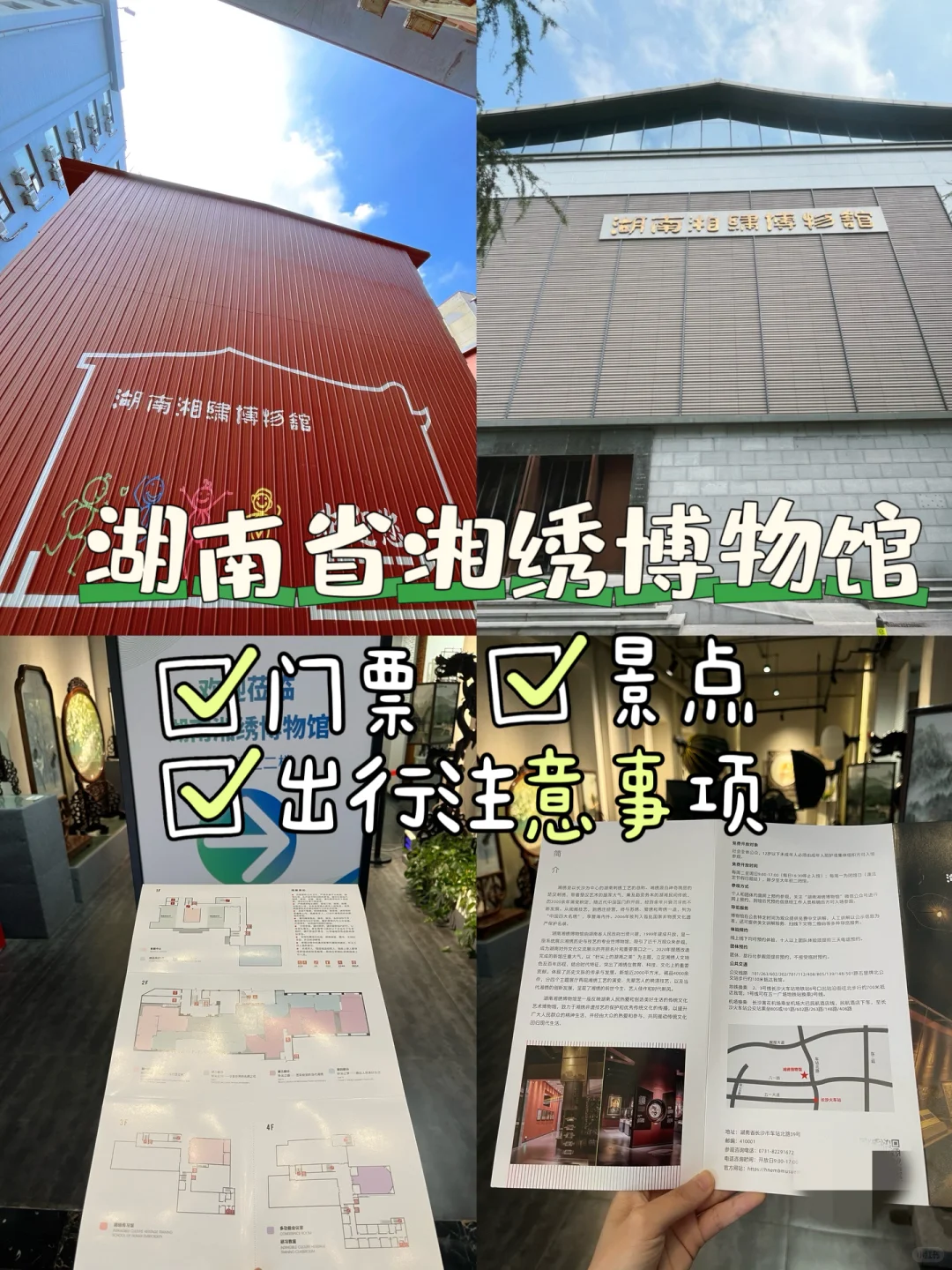
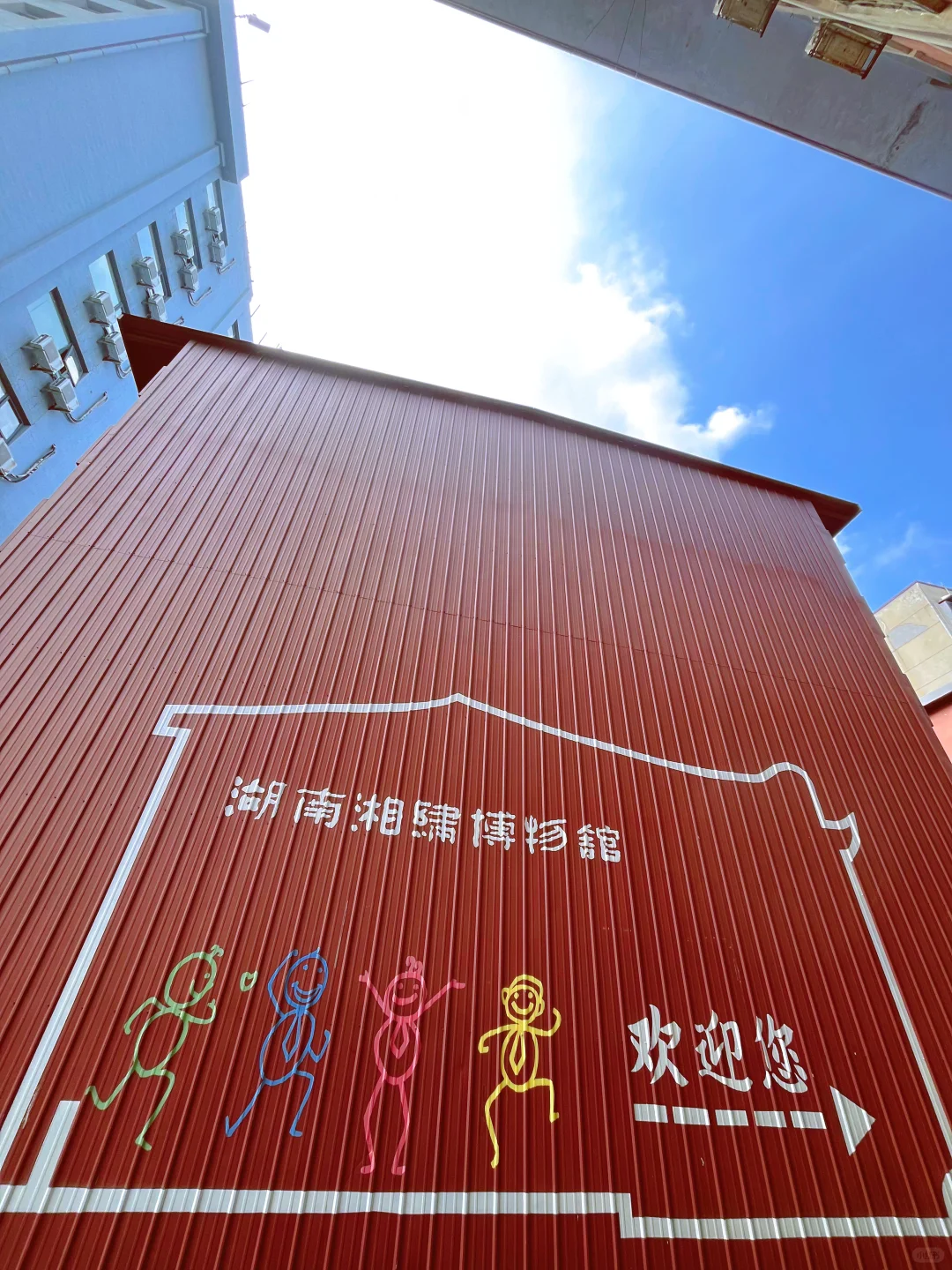
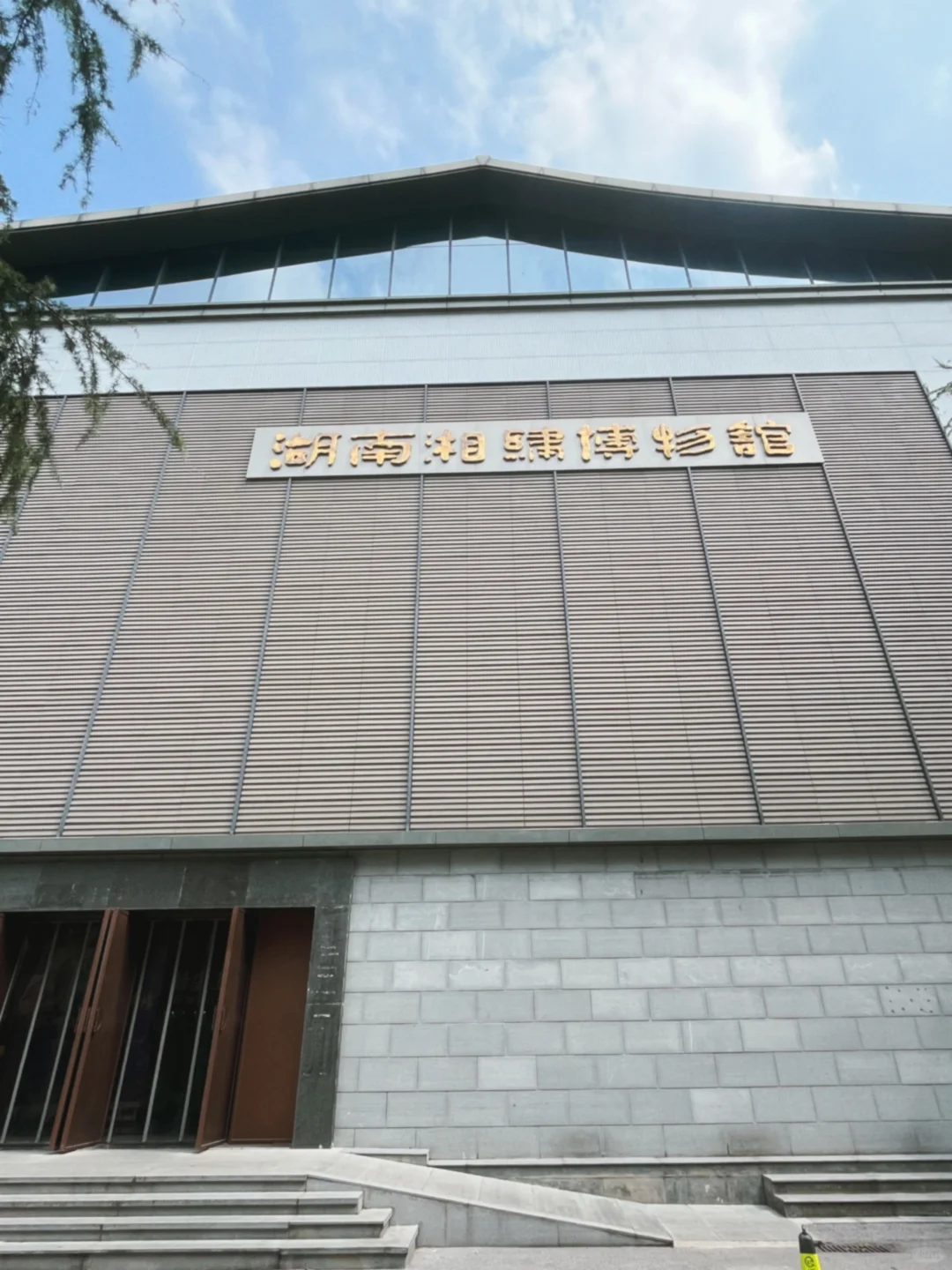
I recently visited the Hunan Xiang embroidery Museum, and I can't recommend it enough! This place is quietly tucked away in the heart of Changsha, and it's so calm and uncrowded, perfect for artsy folks to stroll around and soak it all in. Each piece of Xiang embroidery is like a work of art, almost like a “speed bump” in life, making you want to stop and admire every single stitch. This experience was totally worth it!
Getting to Know the Xiang Embroidery Museum
The Xiang embroidery Museum focuses on showcasing the history, techniques, and culture of Xiang embroidery. Although it’s a bit off the beaten path, if you’re into traditional Chinese arts, this place is definitely a treasure! Xiang embroidery is one of the four famous embroideries in China, along with Su embroidery, Yue embroidery, and Shu embroidery, and it's an artistic miracle created with thousands of stitches. The way the lines and colors come together in Xiang embroidery gives it such depth; from far away, it looks like a hyper-realistic oil painting, and up close, you can truly appreciate the cleverness in every stitch. The most impressive technique is the “double-sided embroidery,” where you can create two completely different images on each side of a transparency base material—it's honestly mind-blowing.
Discovering the Exquisite Art of Hunan Xiangxiu and the Exhibition Experience
Every piece in the museum is rich with the culture of Xiangchu, vibrant yet not tacky, exquisite but not over-the-top, even with a touch of ancient charm. I’m not exaggerating when I say that stepping into the museum instantly wraps you in the beauty of this art and the weight of its history.
Must-See Exhibits
There are quite a few exhibits, but one that really stood out to me is a double-sided embroidery piece called “Nurtured in a Deep Boudoir Yet Unknown,” featuring two completely different scenes crafted from the same embroidery silk. It completely changed my understanding of embroidery techniques!
On one side, it depicts Yang Guifei (the beloved concubine of Emperor Xuanzong) sitting in a thoughtful pose, wearing a pale silk dress and a light red skirt, exuding elegance with subtlety. The other side shows her leisurely playing the guqin (a traditional Chinese instrument), looking delightfully content. This piece not only amazed people domestically but has also been showcased in several countries abroad, making it one of the key artworks demonstrating ancient Chinese traditional skills. I stood in front of this piece for a long time, unable to look away.
Museum Floor Tour Guide
The layout of the Hunan Xiang embroidery Museum is thoughtfully designed, with each of the three floors focusing on different aspects. I recommend checking them out sequentially:
1st Floor: Creative and Embroidered Product Store. If you love a chic, traditional vibe, don’t miss the creative section here. Whether it’s little ornaments, embroidered fans, or handbags, everything looks great. If something catches your eye, picking up a few items as souvenirs for yourself or friends would be an excellent choice.
2nd Floor: Xiang Embroidery Exhibition Hall. Here, you can get a detailed understanding of the development of Xiang embroidery, the features of different stitching techniques, and there’s even a section showcasing the entire embroidery process. From selecting threads to changes in stitching methods, from drafts to finished pieces, the display is so thorough that you can’t help but admire the artisan spirit!
3rd Floor: Intangible Cultural Heritage Learning Center. This floor is super fun—you can collect unique stamps from the museum (making it even more interesting to collect!), and there are plenty of photo spots, especially some beautifully arranged traditional scenes perfect for taking ancient costume photos! If you have enough time, they also offer hands-on embroidery experience activities. Trying out the stitching techniques yourself will give you a much deeper appreciation for how complex these artworks are and how much craftsmanship goes into them.
Discovering the Exquisite Art of Hunan Xiangxiu and the Exhibition Experience
Handy Tips I Tested Out
These are some practical tips I gathered from my visit, so jot these down:
Opening Information
Address: No. 39, Beizhan North Road, Furong District, Changsha, Hunan Province
Opening Hours: Tuesday to Sunday, 09:00 - 17:00
Reservation Method: Free reservations online in advance (you can check via phone or the official website)
Reservation Phone: 0731-82291672
Transportation Options
Bus: Take bus routes 101, 112, 701, 805, and get off at Wulipai Station.
Metro: Line 2, exit from Changsha Railway Station, and it’s a 5-minute walk north to get there.
Visiting Suggestions
The museum isn’t crowded, and the pace is slow, making it perfect for those who enjoy quiet surroundings to visit on weekdays.
Try to follow the floor order rather than wandering around; going from bottom to top allows for a more cohesive experience, especially saving the 1st floor's unique creative section for last.
Be sure to set aside enough time for the embroidery experience and taking costume photos; the 2nd and 3rd floors are perfect for taking your time and capturing beautiful memories.
Discovering the Exquisite Art of Hunan Xiangxiu and the Exhibition Experience
During my visit to the Xiang embroidery Museum, I truly grasped what “the beauty of Hunan on the tip of a needle” means. Every piece of embroidery tells a unique story worth discovering and savoring. If you're at all interested in traditional crafts or looking for an immersive cultural trip, this place is absolutely worth a visit!
About TripInfoHub: Tired of generic travel guides and looking for truly local experiences? We curate authentic travel notes and lifestyle stories shared by Chinese locals, then refine and translate them into multiple languages. This way, travelers from around the world can discover how Chinese people actually travel. Here, you won't just find the usual tourist attractions—you'll uncover everyday inspirations and hidden routes that truly belong to locals.
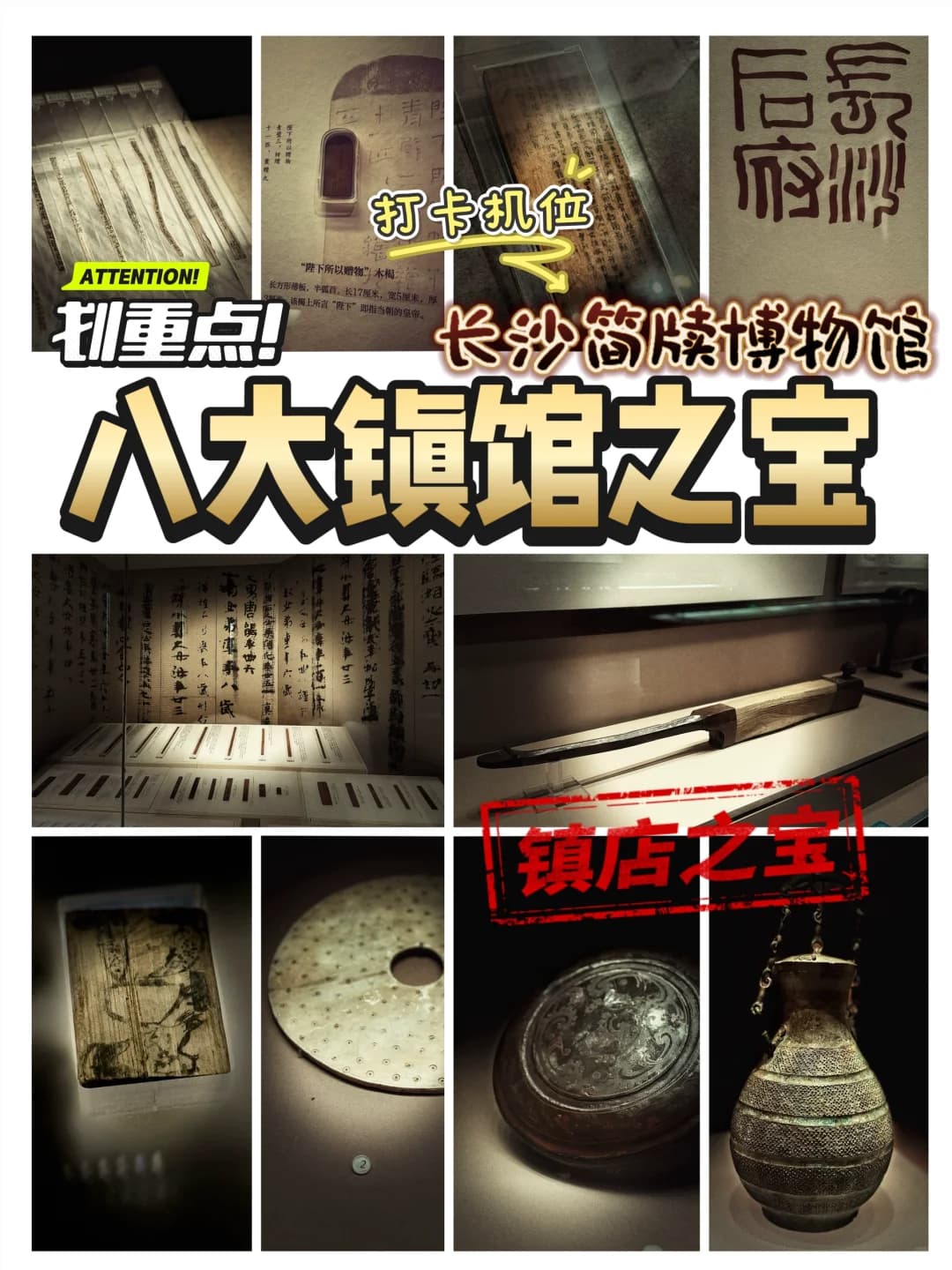
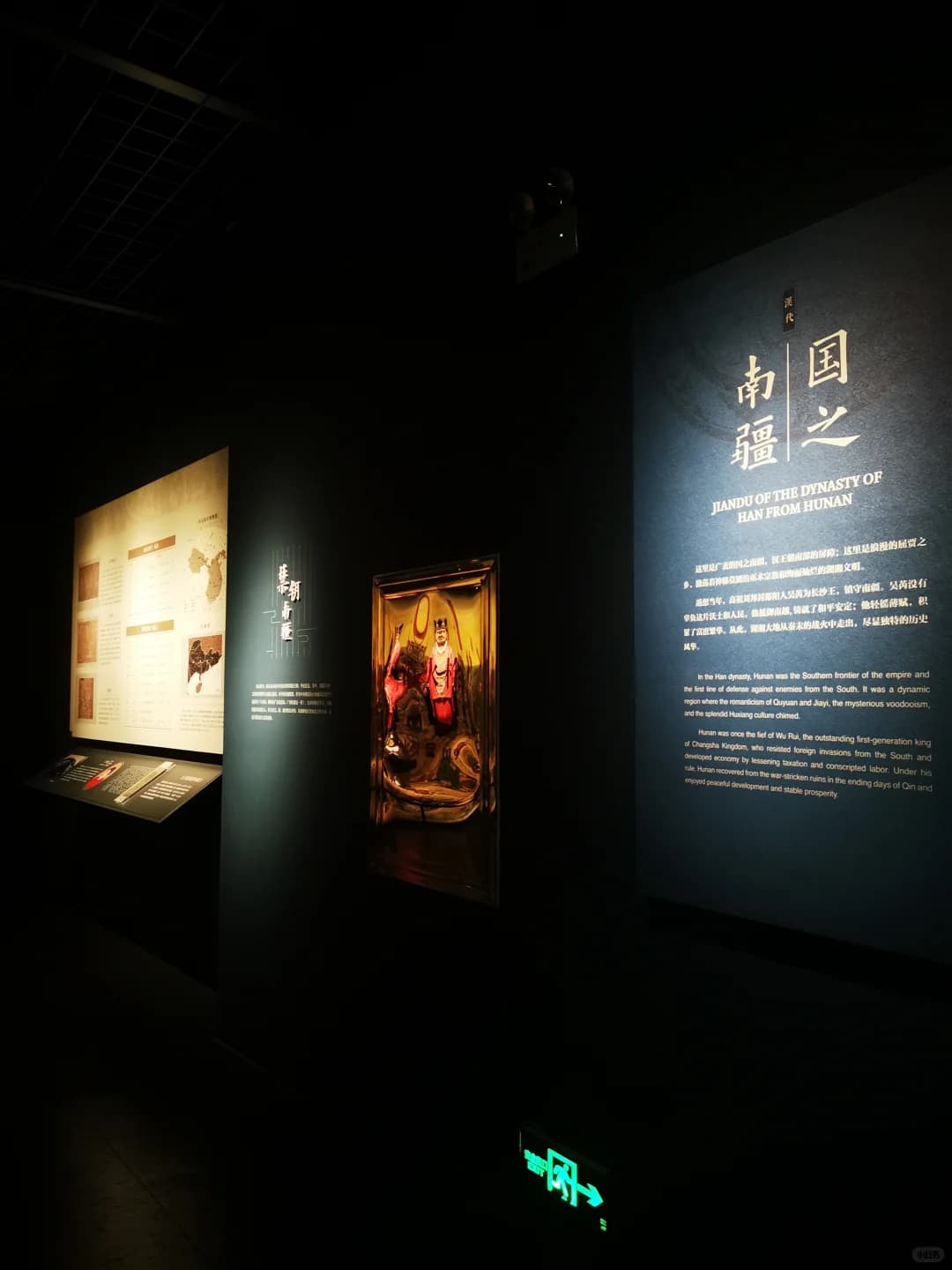
Discover the eight essential treasures of the Changsha Bamboo Slips Museum, including the Maolou Tax Document and the Xu Di Judicial Wood Slip. Come and explore these precious historical artifacts, and don't miss out on our special exhibitions!
This article provides an in-depth travel guide to the Changsha Bamboo Slip Museum, covering address, opening hours, ticket information, and visitor tips. It highlights the museum's unique features and key artifacts while suggesting optimal routes for exploration, ensuring a fulfilling and meaningful experience for travelers.
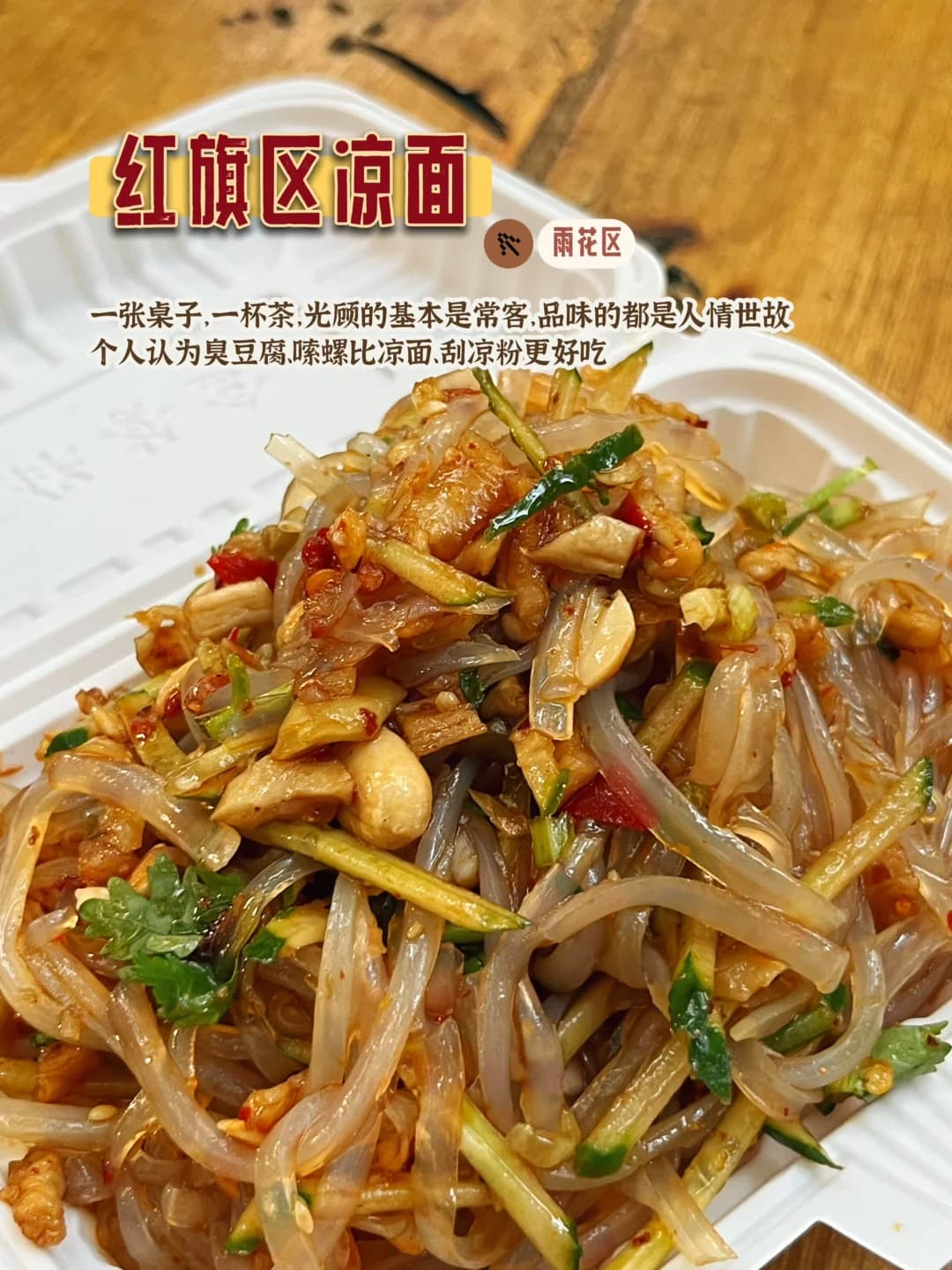
A curated list of 22 cold noodle shops in Changsha · Part One (with locations). This guide explores various unique cold noodle establishments, evaluating their flavors, cleanliness, service, and more, offering recommendations for a delightful summer dining experience.
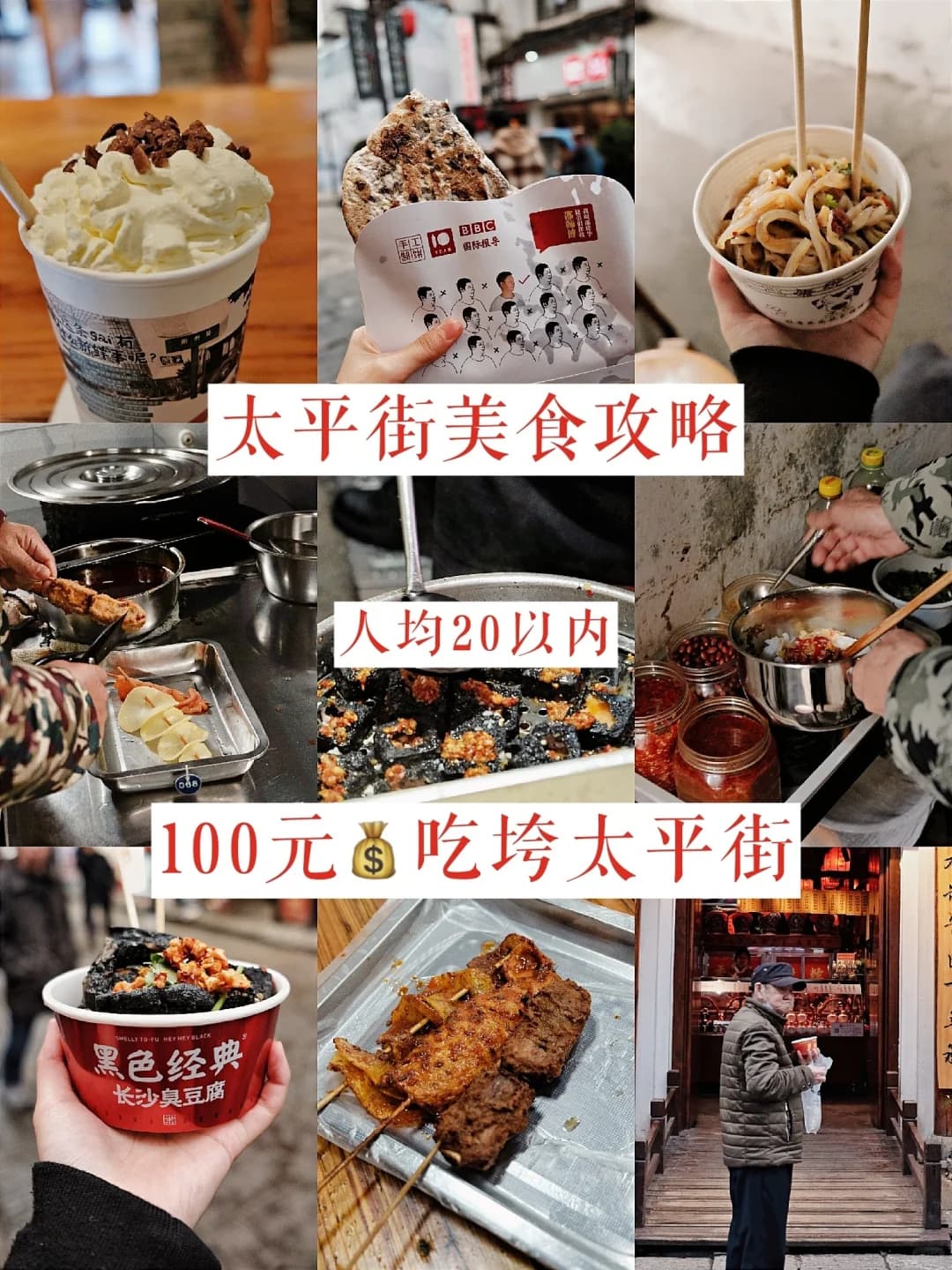
Explore Taiping Street's culinary delights in Changsha, where you can indulge in delicious snacks like stinky tofu, fried skewers, and milk tea for less than 20 yuan per person, satisfying your cravings.
TripInfoHub - Local travel guides for Shanghai, Beijing, Chengdu, Hangzhou and 12 major Chinese cities